MASALA's India
A journey through cities, craftsmanship, and culture
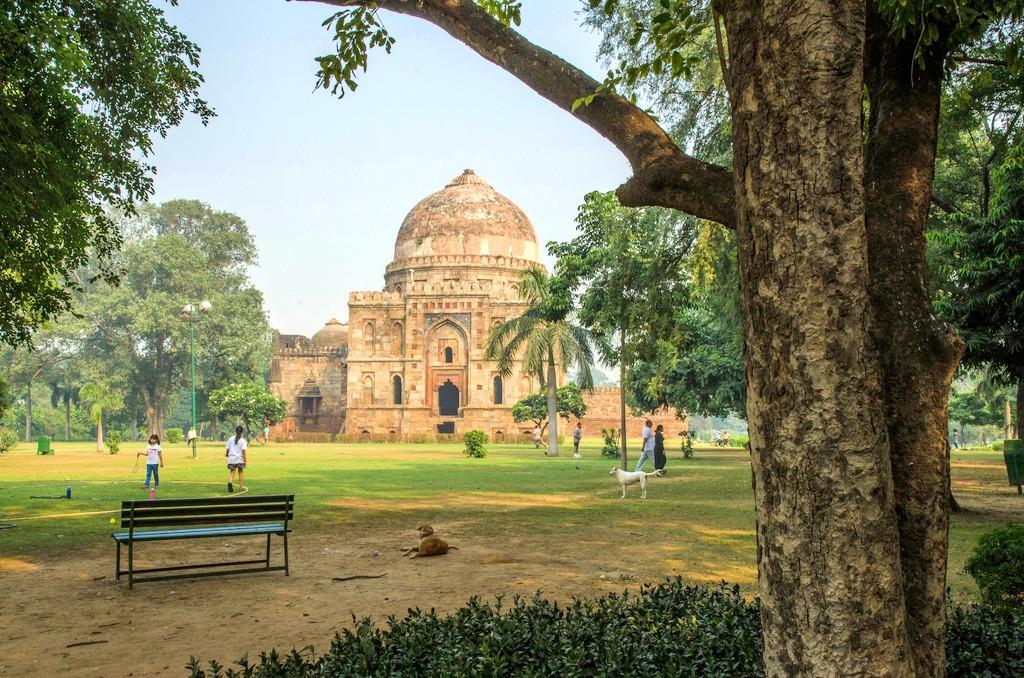
NEW DELHI The Gateway to India's Diversity
Delhi is much more than India's capital. The city is a living encounter between past and present, where historical monuments, colourful markets, and modern design environments exist side by side. For MASALA, Delhi is often the first encounter with India – a city where inspiration, culture, and craftsmanship converge.
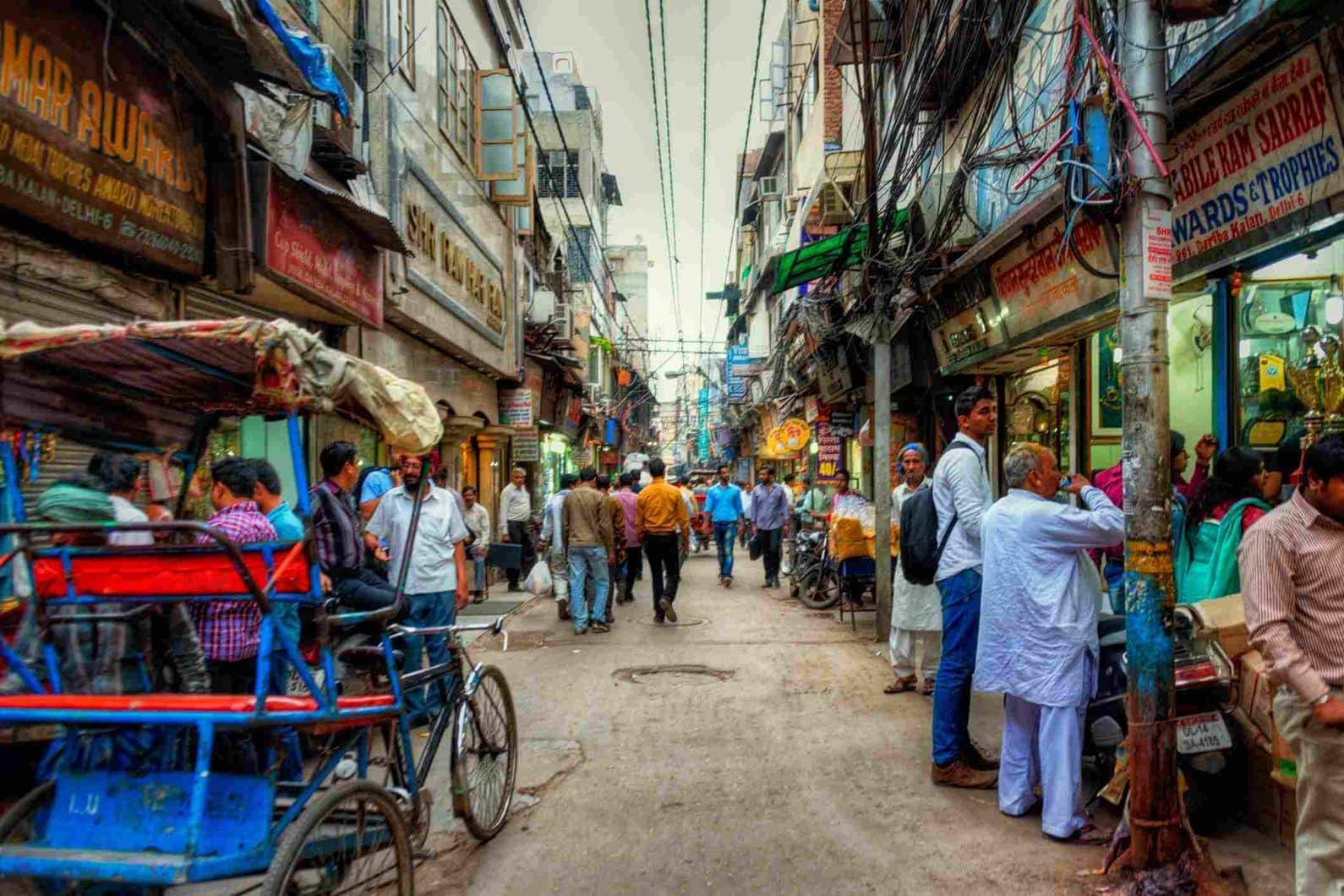
From the bustling bazaars of Old Delhi to the wide boulevards of New Delhi, you experience a city full of contrasts. Here, the scents of spices, colourful textiles, traditional crafts, and modern fashion meet in a vibrant city life that never stands still.
An Important Trading City
For centuries, Delhi has been one of India's most important trading centres. Merchants, weavers, and artisans from across the country bring their goods here, making the city a natural gathering point for textiles, jewellery, home decor, and handicrafts.
For MASALA, Delhi is an important part of our journey through India. Here, we meet suppliers, discover new collections, and find inspiration for upcoming seasons. The city allows us to experience India's enormous diversity in one place.
Inspiration for MASALA
When we visit Delhi, we are inspired by the many colours, materials, and patterns that characterise the city's markets and streets. These can be hand-woven textiles, beautiful embroideries, natural materials, or modern interpretations of traditional designs.
This blend of tradition and innovation fits perfectly with MASALA's philosophy, where classic Indian craftsmanship is combined with a simple Scandinavian expression.
Culture and History
Delhi holds over a thousand years of history and has been the centre of several of India's great empires. The city's impressive monuments, temples, and historical quarters bear witness to a rich cultural heritage that still shapes everyday life.
At the same time, Delhi is a modern metropolis with creative designers, innovative companies, and a growing interest in sustainable production. It is precisely this balance between tradition and development that makes the city an exciting destination for MASALA.
MASALA's Connection to Delhi
Delhi is the starting point for many of our journeys in India. From here, we continue to Rajasthan, Kolkata, Kashmir, and other regions where our products are created.
For us, Delhi is not just a big city, but a place where new ideas emerge, collaborations are strengthened, and where we experience the diversity that makes India truly special.
🌿 Did you know that...
✨ Delhi is one of the world's oldest continuously inhabited cities with a history spanning over 2,000 years.
🛍️ The city's markets attract traders from all over India, making Delhi one of the country's most important centres for textiles and handicrafts.
🎨 You can experience crafts from almost all regions of India in Delhi, from Kashmir in the north to Tamil Nadu in the south.
🌸 The contrasts are part of the city's charm. Ancient Mughal buildings stand side by side with modern design shops and lively cafes.
🤝 For MASALA, Delhi is the gateway to our Indian partners and the beginning of many of the journeys that bring us closer to the people and traditions behind our collections.
MASALA & Jaipur
The Pink City – the heart of Indian craftsmanship
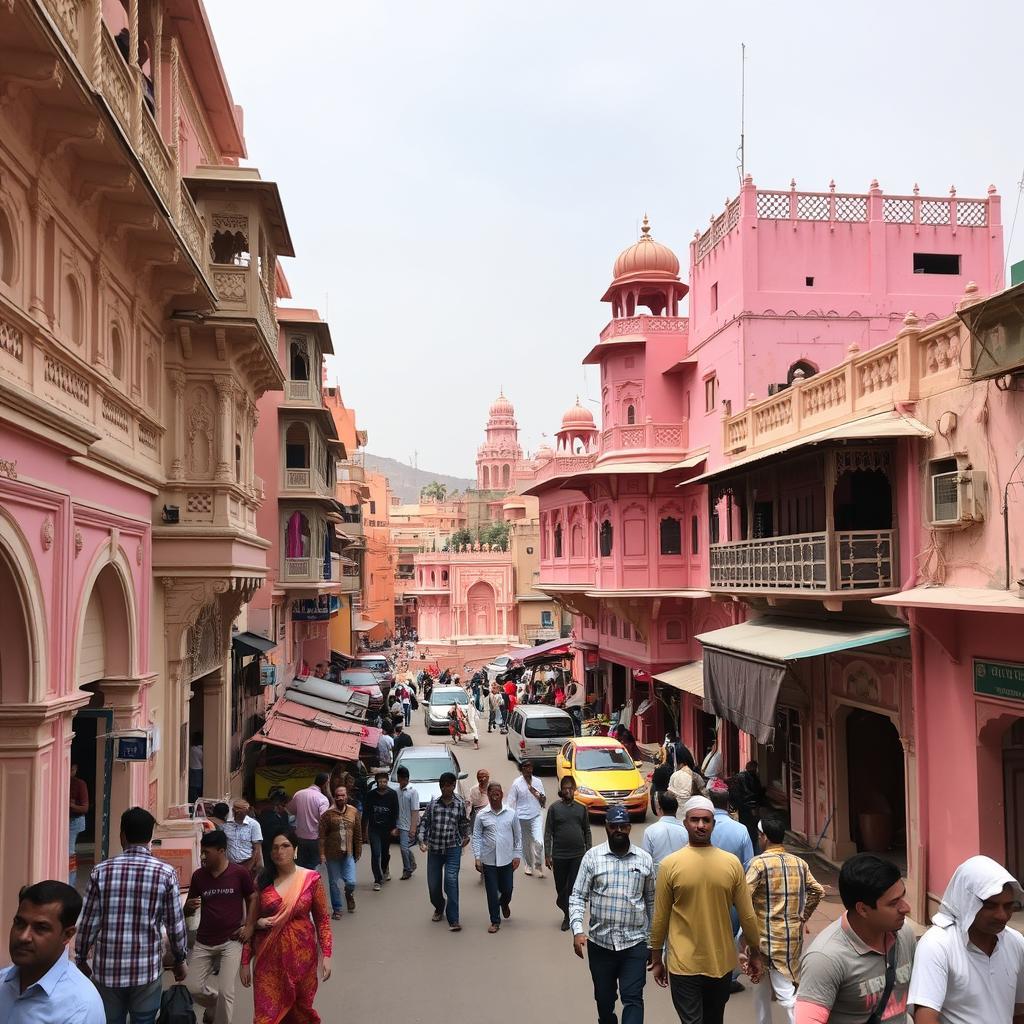
Jaipur is a city where history, colours and craftsmanship go hand in hand. As the capital of Rajasthan, it is known worldwide for its impressive palaces, vibrant markets and proud craft traditions. For MASALA, Jaipur is much more than a destination – it is a place where many of the products you find in our webshop originate.
The city's warm pink facades have earned Jaipur the nickname "The Pink City", and behind the historic city walls, you'll find a hive of textiles, wood carvings, ceramics, jewellery and crafts, created using techniques passed down through generations.
Craftsmanship with deep roots
Jaipur is particularly famous for its textiles and traditional block printing. Skilled artisans still work with hand-carved wooden blocks, natural dyes and ancient printing techniques, giving each piece of fabric its own unique expression.
Around Jaipur are some of India's most renowned textile areas, including Sanganer, Bagru and Pipar, where family-run workshops continue to keep the old traditions alive. This is where many of the block-printed textiles used by MASALA are created.
Inspiration for MASALA
When we visit Jaipur, we are inspired by the city's colours, patterns and creative energy. The beautiful facades, the colourful markets and the many craft workshops provide new ideas for both fashion and home interior.
We experience how traditional techniques are combined with modern design, and this balance between cultural heritage and the present fits perfectly with MASALA's philosophy.
Natural dyes and block printing
Jaipur and the surrounding areas are among the world's most important centres for handmade block printing. Here, cotton fabrics are printed with hand-carved wooden blocks, where each colour is applied one at a time.
Many workshops continue to work with natural dyes such as indigo, iron, pomegranate and other plant-based pigments. The result is textiles with warm shades, beautiful details and an authentic expression.
MASALA's connection to Jaipur
For MASALA, Jaipur is one of the cities we return to again and again. Here we meet our partners, visit workshops and follow production closely.
It is important for us to know the people behind the products and understand the craft traditions that make each product unique. Through our close collaboration with local producers, we can offer collections where quality, responsibility and authentic Indian craftsmanship go hand in hand.
Jaipur is therefore not just a city on the map – it is an important part of MASALA's identity and a source of inspiration that characterises our collections year after year.
🌿 Did you know that...
🩷 Jaipur was founded in 1727 and is now a UNESCO World Heritage Site as a unique example of historical urban planning.
🪵 Many of the world's finest block prints are still made in and around Jaipur using hand-carved wooden blocks and traditional techniques.
🎨 Rajasthan is known for its strong colours, which have influenced clothing, textiles and home décor for centuries.
🌿 Sanganer, Bagru and Pipar are all located near Jaipur and are among India's most famous areas for block printing and textile craftsmanship.
🤝 For MASALA, Jaipur is the place where tradition, quality and collaboration meet. Here we experience craftsmanship firsthand and draw inspiration for many of the products you find in our collections.
Masala and Kolkata
MASALA's connection to Kolkata
At MASALA, we have a very special connection to Kolkata. The city is the birthplace of Anjali, who was born and raised there. Through her in-depth knowledge of the culture, craftsmanship, and local traditions, we have gained a deeper understanding of the people and techniques behind many of our products.
Anjali's local roots allow us to collaborate closely with skilled artisans and family-owned workshops, where craft traditions are still passed down from generation to generation. This means that we don't just buy products – we build long-lasting relationships based on trust, quality, and mutual respect.
For MASALA, Kolkata is therefore much more than a city. It is a place filled with memories, culture, and craftsmanship that has helped shape our identity. When you choose a product with Kantha or vintage sari from MASALA, you don't just get a beautiful design – you get a piece of the culture and traditions that Anjali herself grew up with.
"Kolkata will always have a special place in MASALA's heart. It is where Anjali's story began, and where our fascination with Indian craftsmanship and textile traditions has its deepest roots."
Hand-stitching, silk, and living craftsmanship
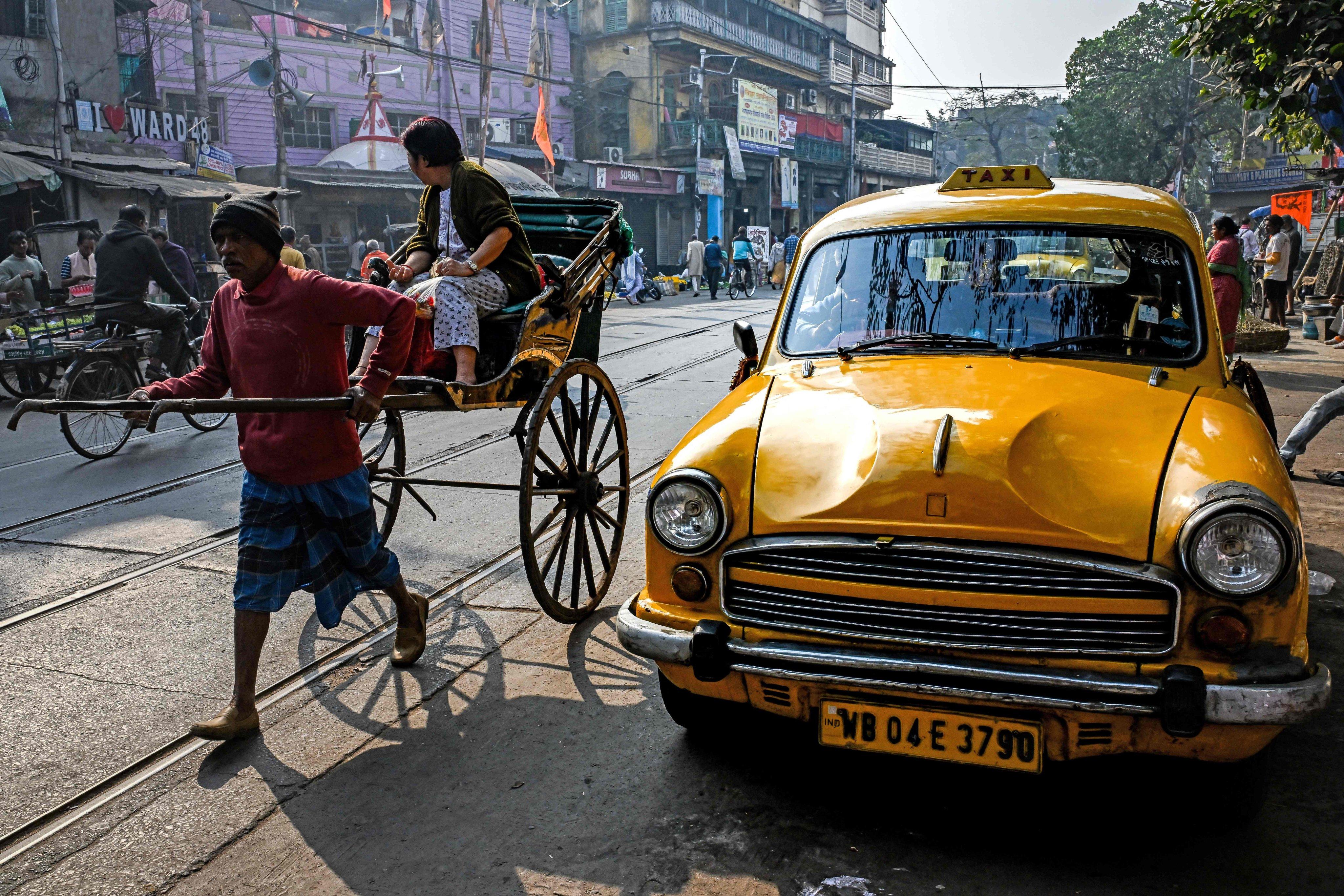
Kolkata, formerly known as Calcutta, is one of India's most culturally historic cities. Located on the Hooghly River in the state of West Bengal, the city is known for its art, literature, colonial architecture, and proud craft traditions.
For MASALA, Kolkata is a special destination. It is here that some of the most beautiful hand-stitched textiles and vintage saris are given new life by skilled artisans who carry on techniques passed down through generations.
Kantha – a craft with soul
West Bengal is home to the traditional Kantha technique, where layers of fabric are joined with thousands of tiny hand-stitched stitches. Originally, the technique was used to repair and reuse family textiles, but today Kantha is recognized worldwide as a beautiful and distinctive craft.
At MASALA, you will find, among other things, pillows, jackets, blankets, and accessories, where the decorative Kantha stitches give each product its very own expression.
Vintage saris get new life
Kolkata also plays an important role in the work with vintage sari silk. Beautiful silk saris are carefully selected and transformed into new products such as bags, kimonos, scarves, pillows, and other accessories.
By reusing existing textiles, both the quality of the materials and their history are preserved. No two saris are alike, and therefore each finished product is completely unique.
Creativity and colors
Kolkata is known as one of India's most creative cities. The streets are filled with art, colorful markets, and small family-owned workshops, where craftsmanship still plays an important role in everyday life.
This creative energy is a great source of inspiration for MASALA. We are fascinated by the city's colors, textures, and the care that artisans put into every single detail.
🌿 Did you know that...
🪡 Kantha has been used in West Bengal for several hundred years, where old textiles were sewn together with fine hand stitches to create something new.
🧵 A larger Kantha quilt can contain tens of thousands of hand-stitched stitches, executed with great precision and patience.
🌸 Kolkata is one of India's most important centers for hand-stitched textiles and vintage sari production, where many family-owned workshops keep traditions alive.
♻️ The reuse of vintage saris is an ancient Indian tradition, where beautiful textiles are given new life in new forms instead of going to waste.
🤝 For MASALA, Kolkata is the city where creativity, craftsmanship, and sustainable thinking meet. Here we find products that combine history, quality, and unique design.
MASALA & Agra
History, elegance, and timeless craftsmanship
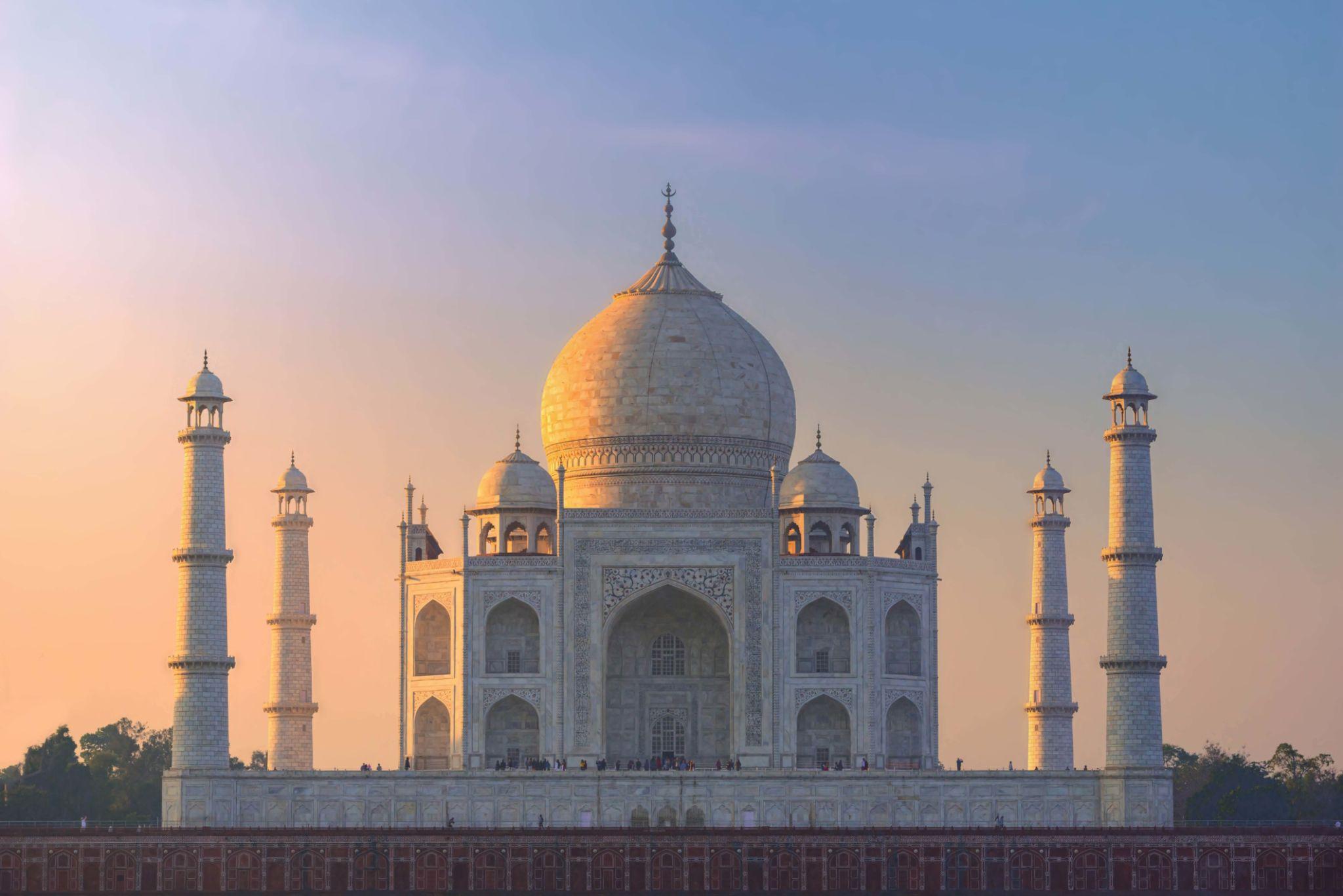
Agra is one of India's most famous cities, known worldwide as the home of the iconic Taj Mahal. However, behind this impressive monument lies a city with proud craft traditions, beautiful palaces, and a cultural heritage that continues to inspire artisans and designers.
For MASALA, Agra symbolizes the elegance and attention to detail that characterizes much of Indian craftsmanship. The city's rich history and artistic traditions are reflected in the materials, patterns, and colors that feature in many of our collections.
The legacy of the Mughal Empire
For several centuries, Agra was the capital of the Mughal Empire. This period left a significant mark on architecture, art, and craftsmanship, and many of the techniques developed then are still alive today.
The elegant floral ornaments, symmetrical patterns, and fine details known from the Taj Mahal have inspired generations of artisans and can still be found in textiles, embroideries, and home interiors.
Craftsmanship and tradition
Agra is known for its skilled craftsmanship in areas such as marble work, stone inlay, leather, and textiles. Small family-owned workshops continue traditional techniques, where precision and quality are paramount.
This respect for craftsmanship perfectly aligns with MASALA's philosophy of preserving old traditions and combining them with a modern, Scandinavian expression.Inspiration for MASALA
When we visit Agra, we are inspired by the city's serene elegance, historic buildings, and the unique balance between simplicity and lavish ornamentation.
The warm sand colors, white marble details, and harmonious patterns provide inspiration for products where classic Indian design meets Nordic aesthetics.
MASALA's connection to Agra
Agra is an important part of our travels through North India. The city reminds us that good craftsmanship requires time, experience, and respect for materials.
At MASALA, we value the traditional techniques and the care that still characterize many of the workshops in the region. Although our products are made in various places in India, Agra is an important source of inspiration when we work with colors, patterns, and timeless design.
For us, Agra is a symbol of India's rich cultural heritage – a place where beauty, history, and craftsmanship meet.
🌿 Did you know that...
🏛️ The Taj Mahal was built between 1632 and 1653 and is considered one of the world's most famous structures.
🌸 Many of the floral ornaments seen on the Taj Mahal still inspire Indian artisans in textiles, embroidery, and home design.
🪨 Agra is known for its fine marble work, where small stones are inlaid into marble with great precision – a technique still practiced today.
🎨 The patterns and symmetry of the Mughal period have left a lasting mark on Indian design, and elements from this era can still be found in modern textiles and interiors.
🤝 For MASALA, Agra is a source of inspiration, where historical architecture, craftsmanship, and timeless design remind us of the value of quality and tradition.
MASALA & Kashmir
Craftsmanship, nature, and timeless beauty
Kashmir, nestled amidst the majestic Himalayas, is considered one of India's most beautiful regions. The region is known for its snow-capped peaks, green valleys, tranquil lakes, and a culture where craftsmanship has been an integral part of daily life for centuries.
For MASALA, Kashmir symbolizes immersion, quality, and craftsmanship. Products are created here with great precision and respect for ancient traditions – from elegant wool scarves to the colorful papier-mâché artworks that have made the region famous worldwide.
Papier-mâché – a craft with history
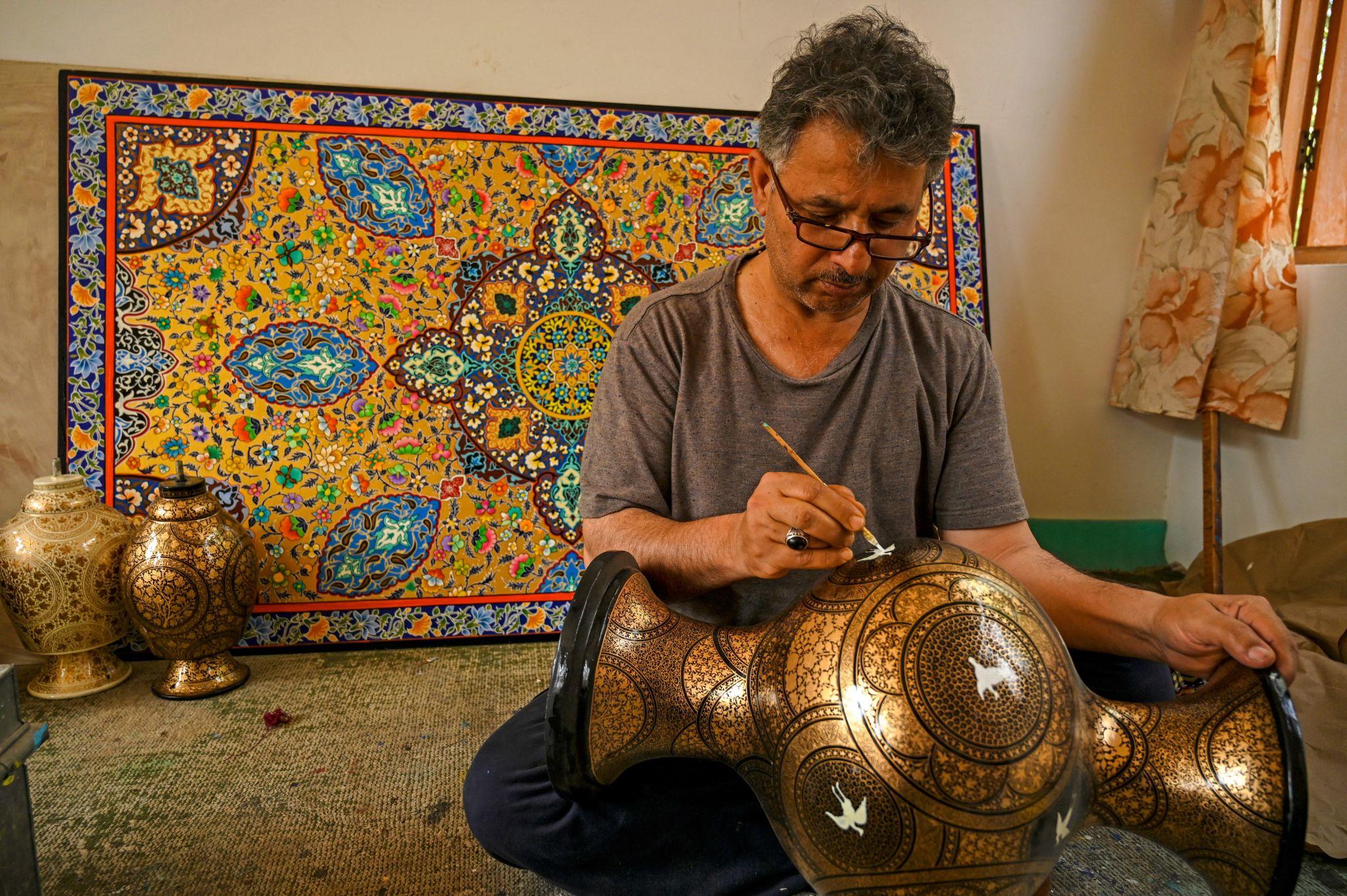
Kashmir's papier-mâché tradition dates back several hundred years and is believed to have been introduced to the region by Persian artists in the 14th and 15th centuries. Since then, the technique has evolved into one of Kashmir's most distinctive crafts.
Papier-mâché is made from recycled paper, which is soaked, hand-molded, and dried until it becomes strong and lightweight. The surface is then sanded before skilled artists hand-paint the intricate patterns with great precision.
Each box, Christmas ornament, or decorative item thus becomes a small piece of art.
Hand-painted details
What makes Kashmiri papier-mâché truly special are the incredibly intricate decorations.
Flowers, birds, leaves, and traditional patterns are painted with very thin brushes, often under magnification. Many artists spend several days on a single product, where each layer of paint and lacquer is applied by hand.
No two products are exactly alike, and these small variations tell the story of the handcrafted work.
Kashmir and textiles
Kashmir is also world-renowned for its soft textiles and fine wool qualities. For centuries, the region has been a center for weaving, embroidery, and the production of elegant scarves.
At MASALA, you will find light boiled wool scarves inspired by this proud tradition. They combine warmth, lightness, and timeless design, perfect for the Scandinavian wardrobe.
MASALA's connection to Kashmir
At MASALA, we are fascinated by the tranquility and depth that characterize Kashmiri craftsmanship.
We collaborate with skilled artisans who cherish traditional techniques and create products with great respect for the materials. This applies to both the hand-painted papier-mâché decorations and the beautiful textiles for which the region is known.
For us, Kashmir is about more than beautiful products. It is about preserving ancient craft traditions and bringing them to new homes.
Products from Kashmir at MASALA
From Kashmir, you will find, among other things:
-
Hand-painted papier-mâché Christmas ornaments
-
Papier-mâché boxes
🌿 Did you know that...
🎨 Papier-mâché from Kashmir is still made by hand using techniques that have been employed for several hundred years.
♻️ The material consists of recycled paper, which is transformed into light and durable works of art.
🖌️ The finest patterns are painted with ultra-thin brushes, and a single product can take several days to complete.
🏔️ Kashmir is often called "Paradise on Earth" due to its spectacular landscapes and rich cultural heritage.
🧣 The region is world-famous for its textiles, where craftsmanship, quality, and an eye for detail have been valued for generations.
MASALA & Nagaland
Woven crafts from India's green mountains
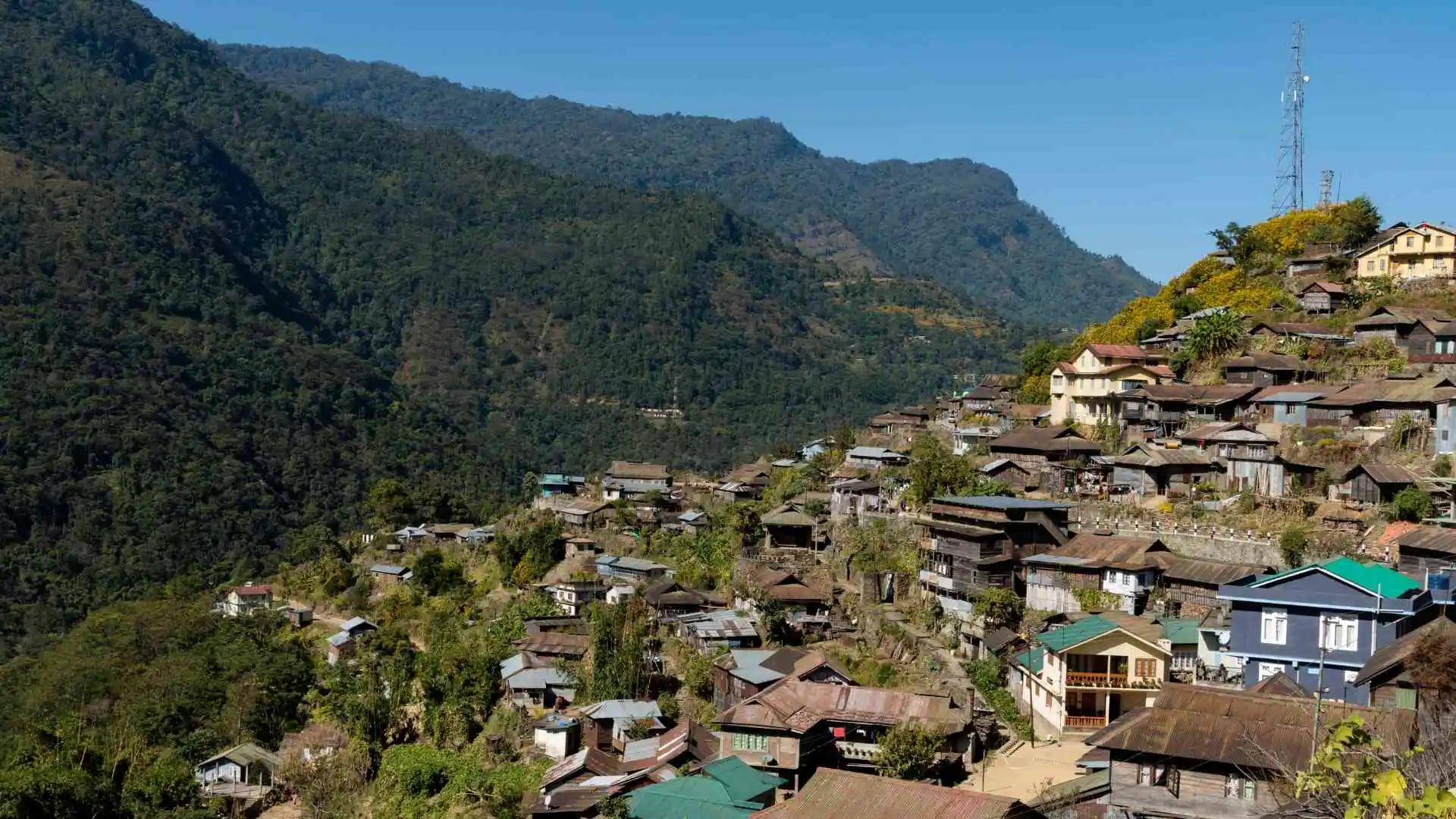
Nagaland is located in northeast India, surrounded by lush mountains, dense forests, and small villages where crafts are still a natural part of everyday life. The region is home to several different tribal peoples who, through generations, have developed their own traditions in basketry, woodworking, and textiles.
For MASALA, Nagaland is a place where natural materials and human craftsmanship meet. Here we find the beautiful woven baskets and trays that combine functionality with a simple and timeless design.
Woven by hand
Baskets from Nagaland are still made by hand by skilled artisans. With great precision, natural materials such as bamboo, rattan, and reeds are woven into strong and beautiful baskets, trays, and storage solutions.
Each product bears the mark of the person who made it. Small variations in weaving technique and colors are a natural part of handmade work and make each basket unique.
Nature's own materials
In Nagaland, nature plays a central role. Bamboo grows quickly in the area and has been used for centuries for everything from homes and furniture to baskets and tools.
The materials are light, strong, and durable, and they give the products a warm, natural look that fits perfectly into Scandinavian interior design.
Craftsmanship with respect for traditions
The basketry in Nagaland is based on ancient techniques that have been passed down from generation to generation. Many artisans continue to work from home or in small family-owned workshops, where each product is made with great care.
For MASALA, it is important to preserve these traditions and support the people who keep the craft alive.
MASALA's connection to Nagaland
At MASALA, we love products that combine function, aesthetics, and authentic craftsmanship. That's why the woven baskets and trays from Nagaland hold a very special place in our collection.
We collaborate with producers who have great respect for both the materials and the traditional weaving techniques. The result is products that are made to be used for many years – and which also bring a small part of Nagaland's culture into your home.
Products from Nagaland at MASALA
From Nagaland, you will find, among other things:
-
Woven baskets
-
Serving trays
-
Storage baskets
-
Decorative trays
-
Baskets in bamboo and natural materials
All products are handmade, and therefore there will be small variations that make each basket unique.
🌿 Did you know that...
🎋 Bamboo is one of the world's fastest-growing natural materials and can, under the right conditions, grow up to almost a meter in a day.
🧺 Many baskets from Nagaland are woven entirely without the use of machines. The techniques have been developed over generations and are still performed by hand.
🌿 Nagaland is covered in lush forests and mountains, where nature continues to play a central role in everyday life.
🤲 Each woven basket is slightly different. Small variations in the weave are a hallmark of genuine craftsmanship.
🏡 For MASALA, the baskets from Nagaland are an example of how simple natural materials and good craftsmanship can create products with both function and beauty.