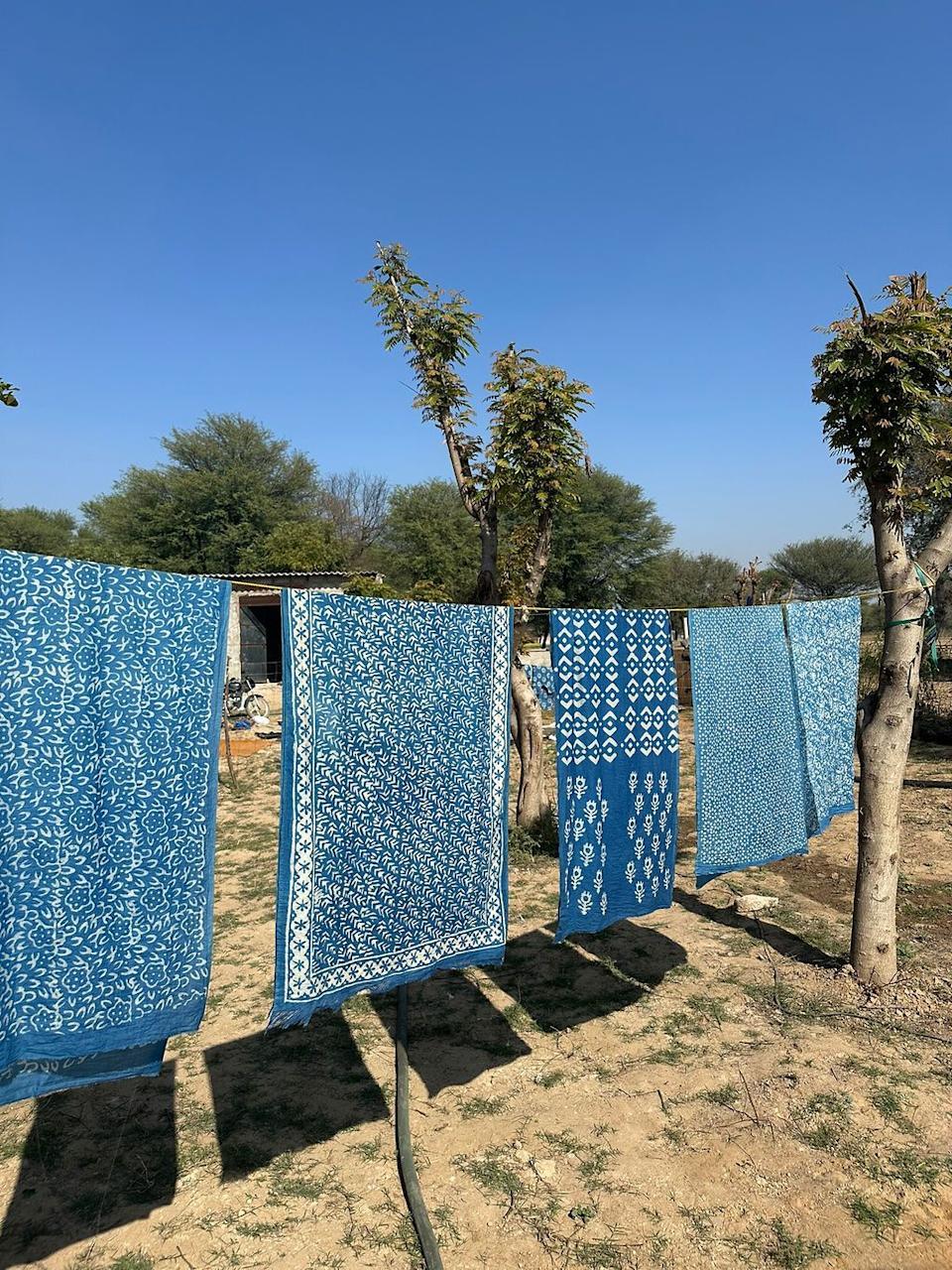
Nature's own shades in Indian textiles
Natural colors possess a unique softness and warmth that cannot be replicated industrially. Each dyeing process results in slight variations, and these small differences are precisely what make each product unique.
MASALA and natural colours
🌿 Did you know?
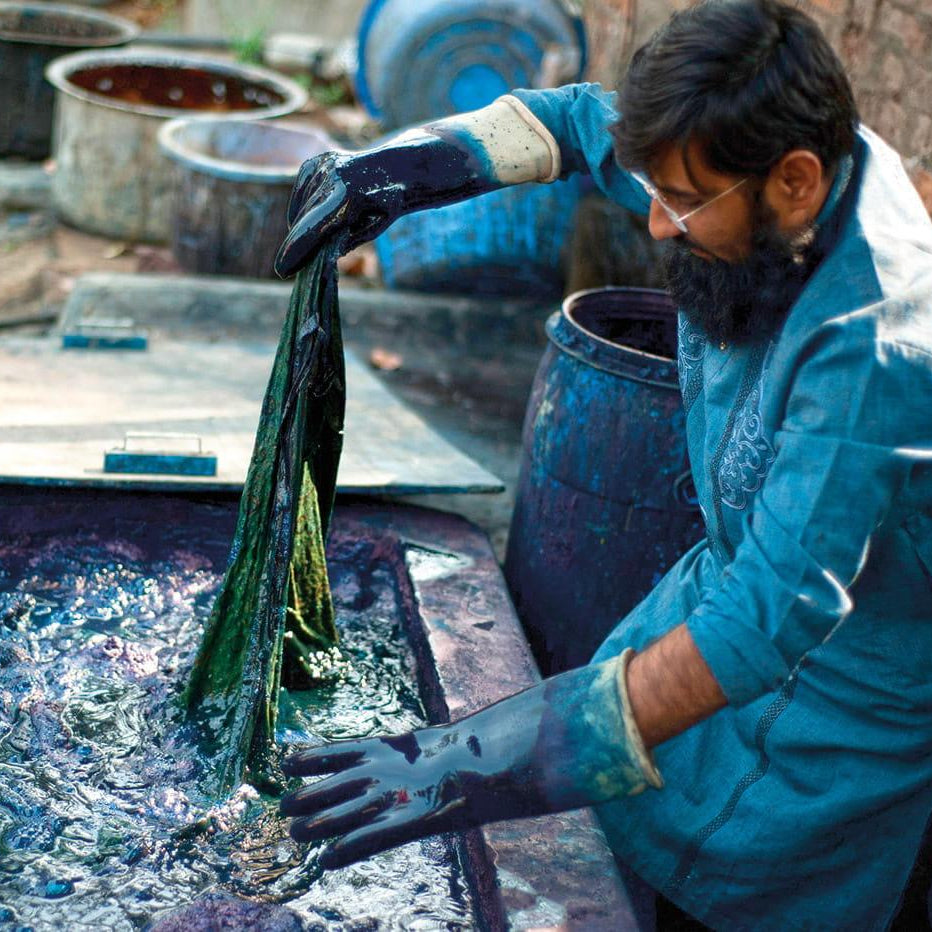
Indigo is one of the world's oldest and most fascinating natural dyes. It is extracted from the leaves of the indigo plant (Indigofera tinctoria), which has been cultivated in India for more than 2,000 years. Rajasthan and Gujarat are among the areas where the tradition still lives on.
What makes indigo special is the dyeing process itself. The fabric emerges from the dye bath with a greenish tone and only turns deep blue when exposed to oxygen. This natural oxidation is almost magical to witness and is an important part of the traditional craft.
Indigo is often used with hand block printing and the Ajrakh technique, where the characteristic blue hues create beautiful contrasts with nature's earth tones. The color ages beautifully over time and develops a lively patina, making each textile even more personal.
🌿 Did you know?
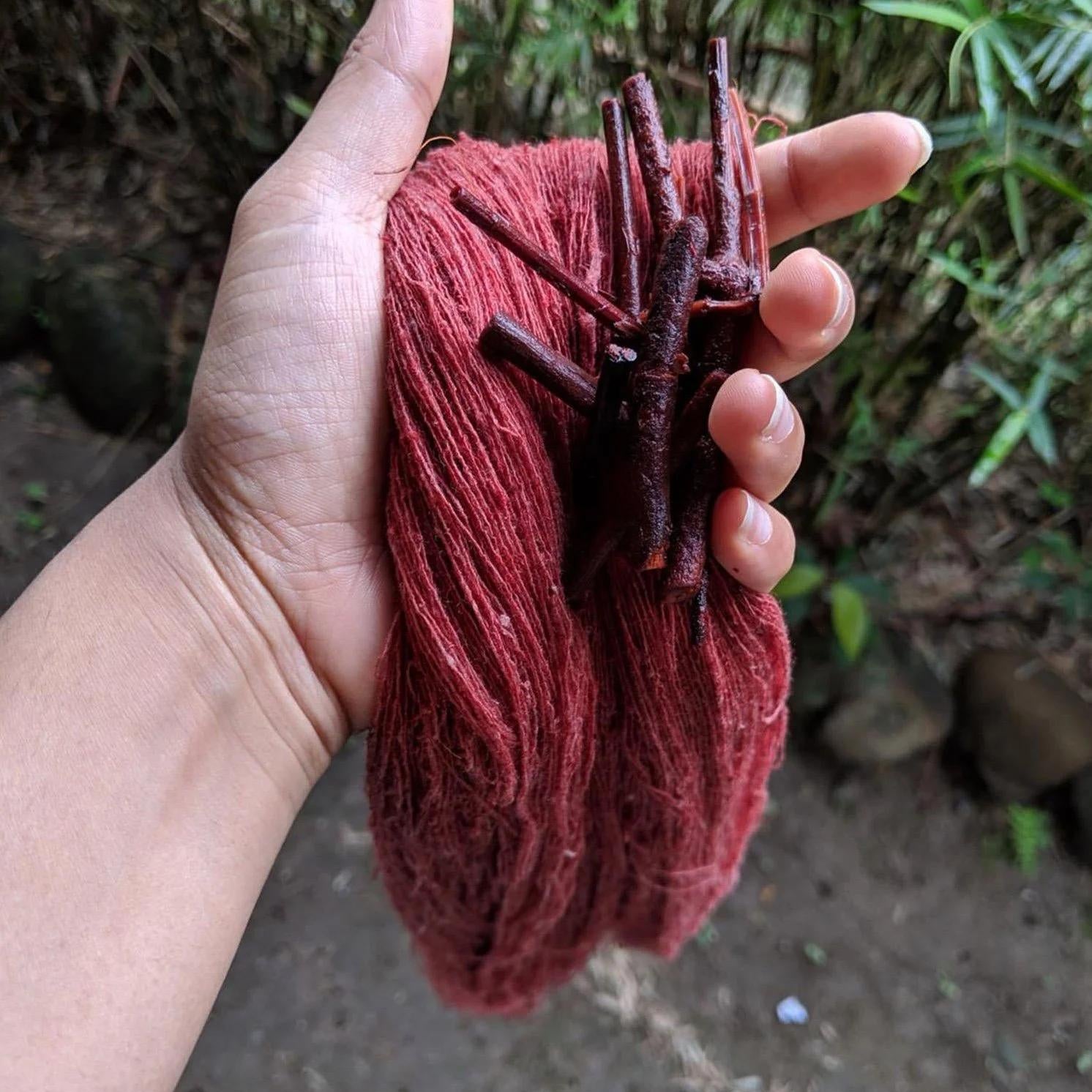
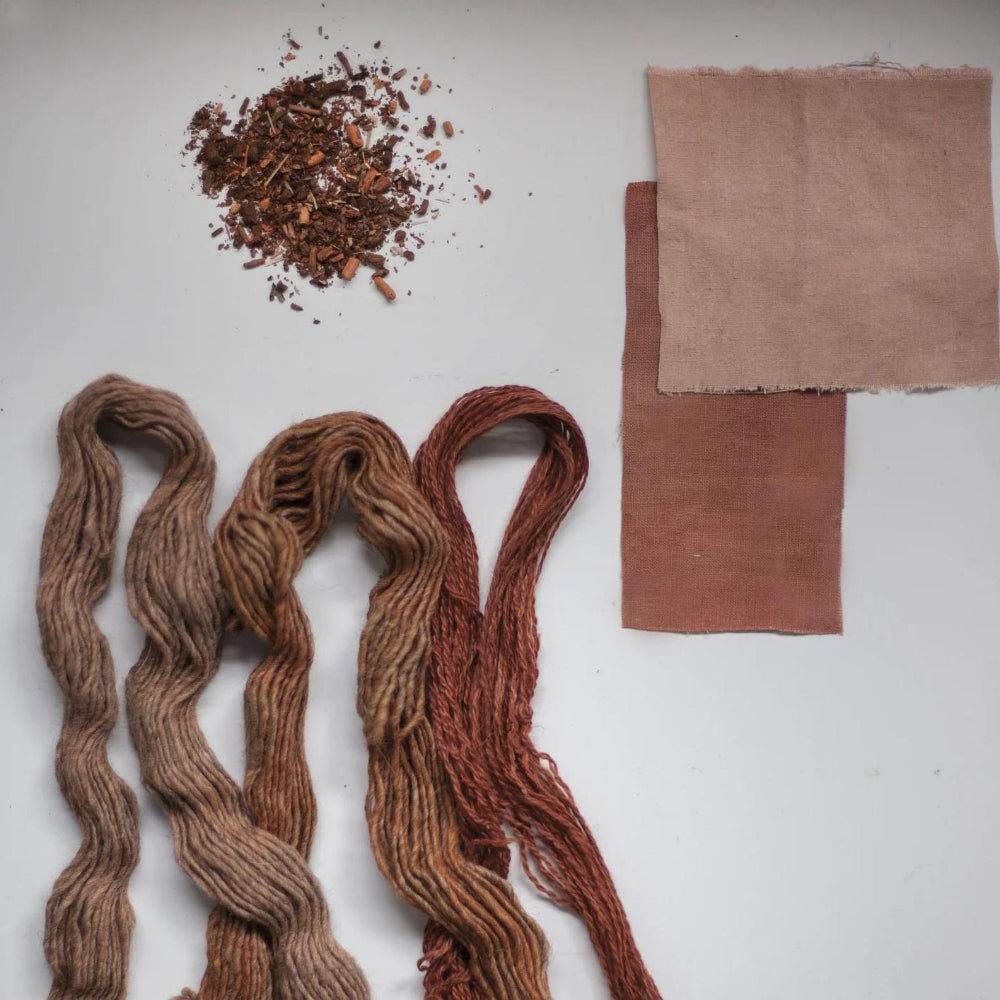
Madder is a classic natural dye, extracted from the roots of the plant Rubia cordifolia (Indian madder) or Rubia tinctorum. For centuries, Indian master dyers have used the plant's natural pigments to create warm shades ranging from soft terracotta and rose to deep reds and rust-coloured tones.
After several years of growth, the roots are dug up, dried, and crushed before being boiled to release the natural dyes. Then, the cotton is slowly dyed, allowing the pigments to penetrate deeply into the fibres. This gentle process yields a vibrant and harmonious colour with a special warmth that only nature can create.
Madder is often combined with indigo and other natural dyes in traditional Indian textiles. Together, they create a soft and balanced colour palette that beautifully complements both modern and classic homes.
🌿 Did you know?
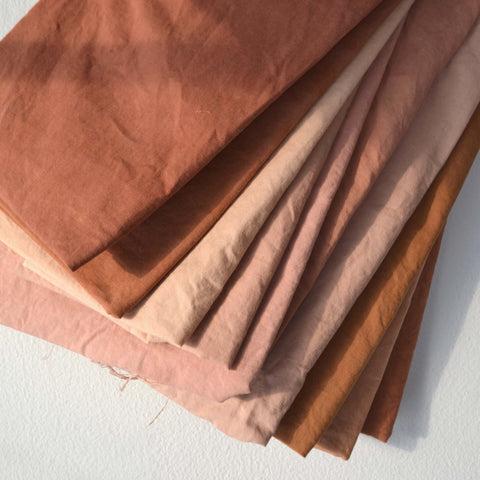
When textiles are dyed with nature's own pigments, slight variations in hue, depth, and play always occur. Temperature, season, plant materials, and the handcrafted process itself affect the result, giving each piece of fabric its own unique expression.
These small differences are not flaws – they are proof of true craftsmanship. Where industrially produced textiles are uniform from end to end, naturally dyed textiles tell the story of people, traditions, and materials created in harmony with nature.
At MASALA, we therefore see natural variations as part of the product's soul. They make each textile personal, vibrant, and completely unique – just like nature itself.
Subheading
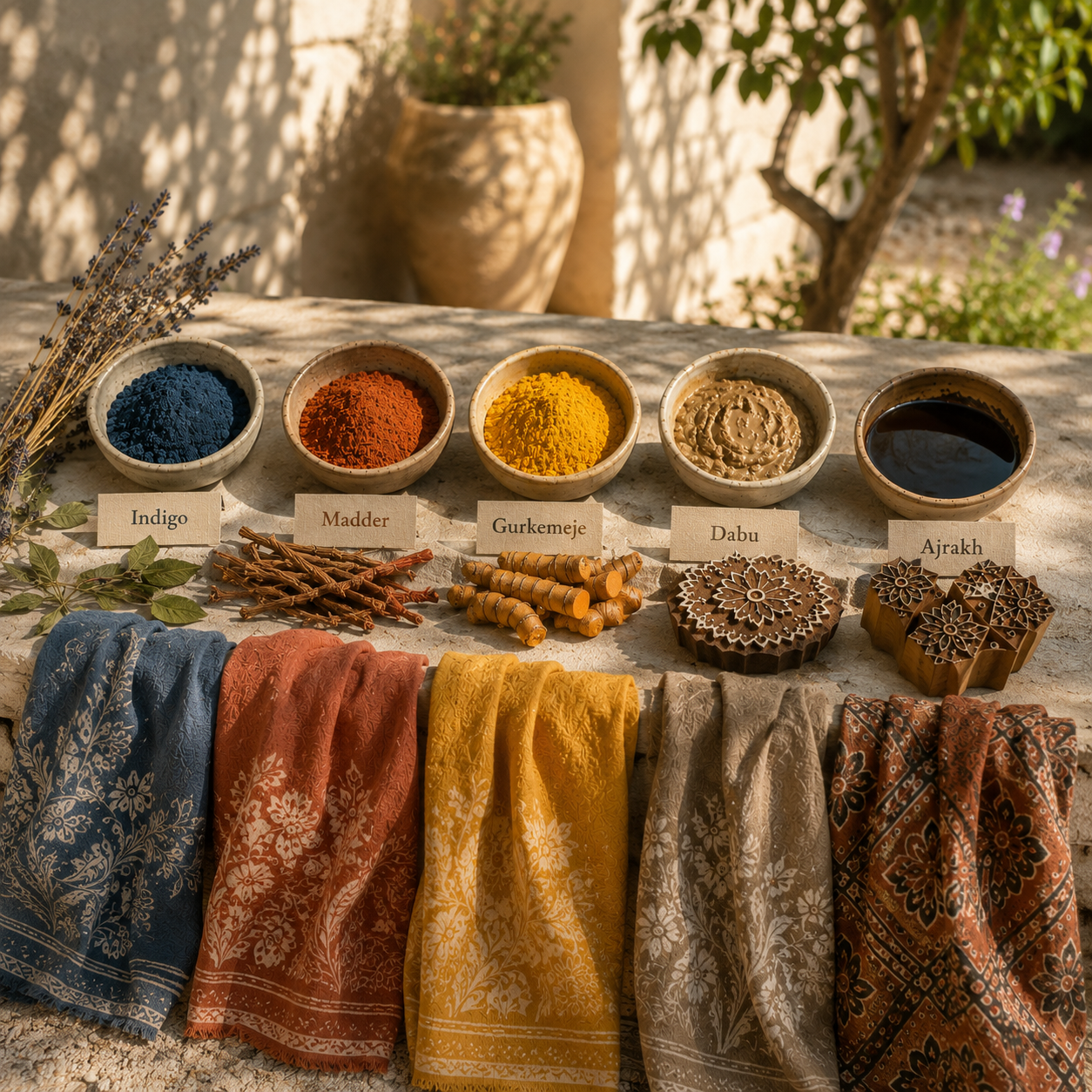
Five classic nature colors
At MASALA, we collaborate with suppliers who cherish ancient Indian dyeing traditions. Many of our block prints and handmade textiles are produced using techniques where nature's own pigments and traditional methods still play an important role.
Indigo
The iconic blue color is extracted from the indigo plant and has been used in India for more than 2,000 years. The fabric emerges green from the dye bath and only turns deep blue when exposed to oxygen.
Madder
Madder is made from the roots of the Rubia Tinctorum plant and yields warm shades from terracotta to deep rust red.
Turmeric
Turmeric gives clear golden and sunny hues. It has been used as both a spice and a natural dye for generations.
Dabu
Dabu is not actually a dye, but a traditional mud-resist technique. Clay, lime, and natural ingredients protect the fabric during dyeing and create the distinctive patterns.
Ajrakh
Ajrakh combines several natural dyes in one advanced process with many stages. The result is deep blue, warm red, and black hues in complex geometric patterns
Natural colours
Nature's own shades in Indian textiles
At MASALA, we love textiles where the colours come from nature's own raw materials. For centuries, Indian master dyers have extracted beautiful shades from plants, roots, bark, flowers, and minerals. The result is vibrant colours with depth and character – created in close harmony with nature.
Natural colours have a special softness and warmth that cannot be replicated industrially. Each dyeing is slightly different, and these small variations make each product unique.
From plant to textile
The dyeing process begins long before the fabric enters the dye bath. Plants are harvested, dried, or boiled, after which the pigments are extracted. The fabric is often pre-treated with natural binders so that the colour can penetrate deeply into the cotton fibres.
The process takes time, but the reward is textiles with a beautiful, vibrant surface and a very special depth.